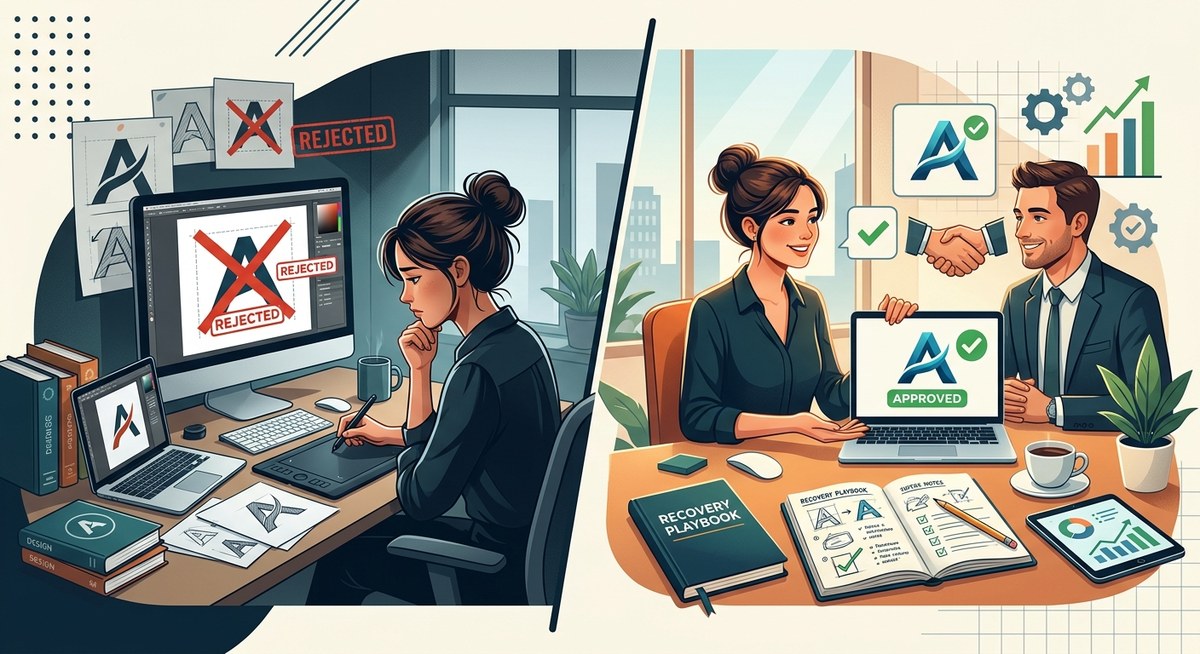
When a client expresses dissatisfaction with your logo design, it can feel like a personal rejection. You’ve invested time and creativity, only to hear that they dislike what you’ve crafted. It’s a common challenge for designers and branding pros. The key is to handle this situation with confidence and clarity. Turning negative feedback into a positive outcome isn’t just about fixing the design. It’s about building trust, understanding client needs, and improving your process for future projects.
Handling a client who hates your logo involves clear communication, understanding their perspective, offering options, and refining your approach. These steps help turn dissatisfaction into collaboration and success, strengthening your professional relationship and improving your craft.
Understanding Why Clients Dislike Logo Designs
Before jumping into solutions, recognize why clients might reject your work. Sometimes it’s a matter of misaligned expectations, cultural differences, or a lack of clarity early on. Other times, the client’s personal taste or branding understanding influences their reaction. Knowing these reasons helps you approach their feedback without taking it personally.
Practical Steps to Recover and Realign
Start by truly understanding their concerns. Ask open-ended questions to clarify what specifically they dislike. Is it the colors, font, icon, or overall feel? Listen without interrupting. Show empathy by acknowledging their feelings. Remember, they are investing in their brand, and their feedback is about their vision, not about you personally.
“The best way to handle tough feedback is to listen more than you speak. This builds trust and opens the door to productive dialogue,” advises branding expert Julia Smith.
- Ask for Specific Feedback and Clarify Expectations
Vague comments like “I don’t like it” aren’t helpful. Get specific. For example, ask if they prefer a different color palette, a more modern look, or a different style of icon. Revisit your initial brief to ensure everyone is aligned. Sometimes misunderstandings stem from mismatched expectations or assumptions.
- Offer Alternatives and Visual Options
Instead of a single design, prepare a presentation of multiple concepts. Show variations in color, typography, and style. This approach demonstrates your flexibility and helps clients see different possibilities. It also shifts the focus from rejection to collaboration. Use a table to organize options clearly:
| Design Option | Colors | Typography | Icon Style | Notes |
|---|---|---|---|---|
| Concept A | Blue and gray | Sans serif | Geometric | Modern and clean |
| Concept B | Warm tones | Serif | Hand-drawn | Friendly and approachable |
| Concept C | Monochrome | Custom font | Minimalist | Elegant and versatile |
- Refine Based on Feedback and Educate
Once you understand their preferences, refine the chosen concept. During this process, gently educate clients on design principles. For example, explain how certain colors evoke emotions or why a specific font supports brand perception. This helps them appreciate your expertise and reduces unnecessary revisions.
Common Mistakes to Avoid When Handling Difficult Feedback
| Mistake | Why it’s harmful | Better approach |
|---|---|---|
| Taking criticism personally | Damages confidence and relationship | View feedback as an opportunity to improve |
| Overusing technical jargon | Confuses or alienates clients | Explain design choices in simple terms |
| Arguing about preferences | Escalates conflict | Focus on aligning with their brand goals |
| Ignoring their concerns | Shows disrespect | Validate their feelings and concerns |
Techniques for a Successful Client Recovery
-
Communicate with Transparency: Keep clients informed about your process. Share mood boards, sketches, and rationale behind your choices. This transparency reassures them you’re committed to their vision.
-
Show Empathy and Patience: Clients may need time to understand design concepts or get comfortable with options. Patience builds trust.
-
Set Clear Boundaries and Expectations: Clarify project scope, revision limits, and timelines upfront. This reduces frustration and scope creep.
-
Use Visual Aids Effectively: Mood boards and style tiles help clients visualize ideas early on. They set expectations and reduce surprises.
-
Maintain a Positive Attitude: Even when faced with rejection, stay professional and optimistic. Your confidence reassures clients that you are capable of delivering great results.
When to Know It’s Time to Part Ways
Sometimes, despite best efforts, the client’s expectations are unreasonable or incompatible with your style. In such cases, it’s better to respectfully decline or refer them to another professional. This saves your reputation and ensures you maintain integrity.
Final Tips for Raising Your Resilience
- Keep a mental repository of successful recoveries to remind yourself that setbacks are part of growth.
- Practice active listening and empathy in every client interaction.
- Continue sharpening your design skills and expanding your understanding of branding.
- Remember, a difficult client today can become a loyal partner tomorrow if handled with care.
Turning Discontent into Growth
Handling a client who hates your logo work is a challenge that offers a chance to strengthen your skills and relationships. By listening carefully, offering options, educating gently, and refining collaboratively, you can transform negative feedback into a foundation for trust. Over time, this approach will make you a more confident, versatile designer and help you build lasting client partnerships. Keep applying these strategies, and each tough conversation will bring you closer to success and satisfaction in your creative journey.
