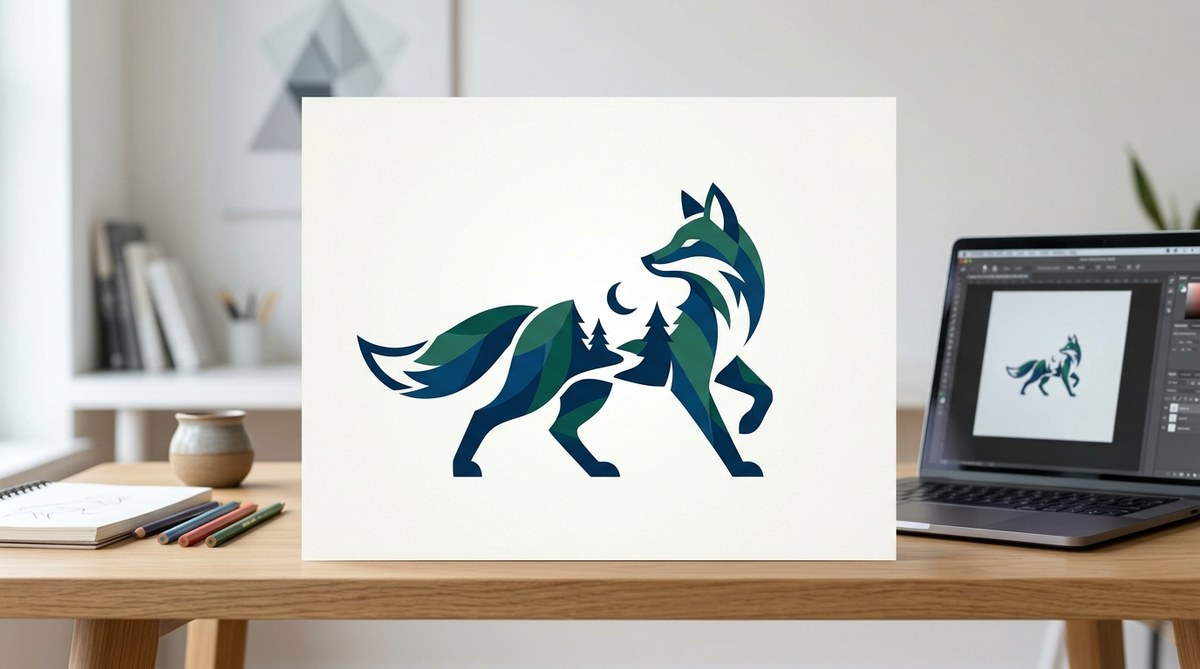
Using negative space in logo design is a clever way to embed hidden messages and create visual interest. When done right, it turns a simple mark into a storytelling tool that captures attention and sparks curiosity. Whether you’re a student, a professional, or a hobbyist, understanding how to craft negative space logos can elevate your work from generic to memorable. Let’s explore how you can incorporate negative space techniques into your next project with practical tips and inspiring examples.
Negative space logo techniques involve using the empty areas within and around your design to create hidden meanings, optical illusions, or dual images. Mastering these methods allows you to craft logos that are not just visually appealing but also rich in symbolism, making brands more memorable and engaging for viewers.
What Is Negative Space and Why It Works
Negative space refers to the unmarked or empty areas around and within the main elements of a design. In logo creation, negative space can be manipulated to reveal hidden symbols, dual images, or subtle messages that support the brand’s story. The power of negative space lies in its ability to add layers of meaning without cluttering the design. When viewers notice the hidden message, it creates a memorable moment, encouraging deeper engagement.
Types of Negative Space Techniques
Understanding the different ways to apply negative space can help you decide which method suits your brand or project best. Here are some common techniques:
Double Entendres
This involves creating a logo that contains two images or messages in one. The viewer might see a straightforward symbol at first glance, but upon closer inspection, another image or meaning emerges in the negative space. Think of logos like FedEx, where the arrow between the E and X symbolizes speed and precision.
Hidden Images
Hidden images are subtle symbols embedded within the design that reveal themselves when viewed from a different perspective. These can be animals, objects, or abstract shapes that relate to the brand’s identity. For example, the WWF panda logo uses negative space to form a panda face, making the animal the central focus.
Typography Integration
Negative space can be creatively used within letters to convey a message or form an icon. This method is popular in wordmark logos, where the space inside or between letters forms relevant symbols. The logo for Baskin-Robbins cleverly uses negative space to incorporate the number 31 within the letters B and R.
Closure and Optical Illusions
This technique plays with the viewer’s perception, suggesting shapes or images through incomplete lines or implied forms. It often involves minimal lines that the brain completes, creating a sense of unity and cleverness.
Examples of Effective Negative Space Logos
Seeing these techniques in action can inspire your own designs. Here are some iconic logos known for their masterful use of negative space:
| Logo | Hidden Meaning or Technique |
|---|---|
 |
The arrow in the negative space between E and X symbolizes speed and delivery. |
 |
The white space forms a panda, emphasizing conservation and wildlife. |
 |
The peacock’s feathers contain multiple colors, with negative space suggesting diversity and vibrance. |
 |
The mountain contains a hidden bear, referencing Bern, Switzerland, where Toblerone originated. |
How To Create a Negative Space Logo: Practical Steps
Designing a logo with meaningful negative space requires a strategic approach. Follow these steps to ensure your design is both clever and clear:
-
Research and Brainstorm
Identify core brand values or symbols. Think about what images or messages are relevant. Gather inspiration from existing logos and note what resonates. -
Sketch Multiple Concepts
Start with rough sketches. Experiment with combining shapes and letters. Don’t be afraid to play with the space around and within elements. -
Focus on Simplicity and Clarity
Negative space is most effective when the overall design remains simple. Avoid overcrowding. The hidden message should be discoverable but not confusing. -
Refine and Test
Use vector software to clean up your best concepts. Test the logo at different sizes. Ask others if they see the intended hidden message without explanation. -
Balance the Composition
Ensure that both the main elements and negative space are balanced. The hidden message should feel integrated, not forced. -
Get Feedback and Iterate
Share your design with colleagues or clients. Adjust based on their insights. Sometimes a slight tweak can make the hidden message pop.
Example Process for a Tech Startup
Suppose you’re designing for a tech company focused on innovation. You might:
– Sketch a light bulb shape (symbol of ideas).
– Use negative space within the filament to form a subtle lightning bolt.
– Incorporate the letter T into the filament’s negative space.
– Simplify the design, ensuring the hidden lightning bolt is noticeable but not overpowering.
Common Mistakes to Avoid
| Mistake | Why It Matters | How to Fix It |
|---|---|---|
| Overcomplicating the design | Complexity hides the message | Keep shapes simple and uncluttered |
| Making the hidden message too obvious | It loses the element of surprise | Use subtle cues that require a second look |
| Ignoring scalability | Details may get lost in small sizes | Test your logo at different scales |
| Sacrificing brand clarity | Confusing the viewer | Ensure the main symbol is still recognizable |
“A successful negative space logo balances clarity and cleverness. It invites viewers to look twice, rewarding them with a hidden message that deepens brand connection.” — Design expert Jane Doe
Techniques and Pitfalls at a Glance
| Technique | Best Practice | Common Mistake |
|---|---|---|
| Double entendres | Use minimal shapes to suggest dual images | Making both images equally obvious |
| Hidden images | Embed symbols relevant to the brand | Forcing the hidden image into unrelated shapes |
| Typography integration | Incorporate negative space within letters | Overloading with too many messages |
| Optical illusions | Use implied lines and incomplete forms | Overcomplicating shapes, causing confusion |
How To Make Your Negative Space Logo Shine
- Focus on simplicity. Less is often more.
- Choose symbols that have a clear connection to the brand.
- Use negative space subtly. The best designs reveal their secrets only after a second or third look.
- Test your logo across different backgrounds and sizes.
- Seek honest feedback from people unfamiliar with the project.
Your Next Clever Branding Move
Applying negative space techniques can turn a basic logo into a storytelling masterpiece. Remember, the key is to craft designs that invite viewers to look again and discover something new. Practice sketching ideas, experiment with shapes, and don’t shy away from pushing boundaries. The best logos often come from playful exploration and careful refinement.
Getting comfortable with negative space logo techniques unlocks a new level of creativity. It helps your work stand out and builds a memorable brand identity. So, grab your drawing tools or software and start creating those hidden gems today. Your designs will thank you for it.
