<meta name=”description” content=”Thinking about should your brand have a mascot? Learn how mascots can boost recognition, engagement, and when they truly make sense for your brand.”
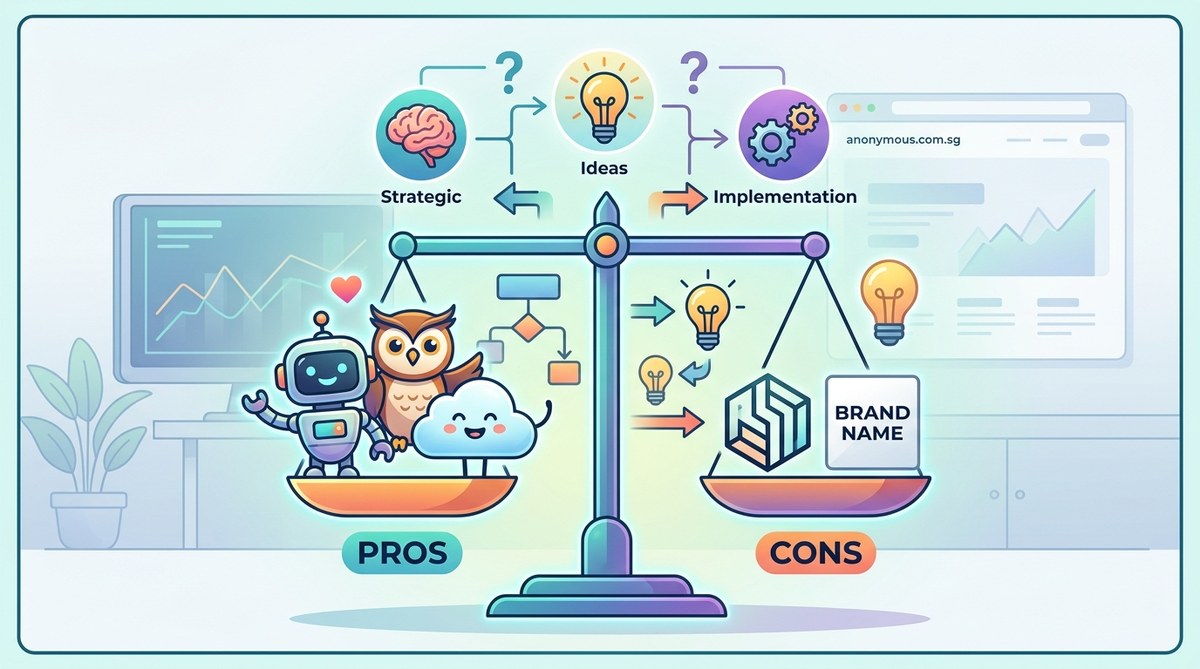
Brand mascots can be a game-changer for building recognition and emotional connections. But are they right for your brand? Understanding the pros, cons, and best timings can help you decide if a mascot will elevate your branding or become a distraction. Let’s unpack when and how a mascot can work effectively, and when it might not be the best choice.
Why consider a mascot for your brand
A mascot is more than just a cute character. It’s a visual and emotional anchor that can communicate personality and values quickly. When used well, a mascot becomes a memorable ambassador for your brand, fostering trust and loyalty.
The advantages of having a brand mascot
-
Boosts recognition: A unique mascot can make your brand stand out amid competitors. Think of the Michelin man or Tony the tiger. Their distinctive appearances help consumers instantly identify the brand.
-
Creates emotional bonds: Mascots humanize your brand, making it more relatable. They can evoke feelings that encourage loyalty and positive associations.
-
Opens storytelling opportunities: A mascot can be the protagonist in stories, campaigns, or social media content. This storytelling builds a deeper connection with your audience.
-
Extends merchandise and branding: Mascots are versatile for merchandise, packaging, and promotions. They can help generate additional revenue streams and brand touchpoints.
-
Engages younger audiences: Kids and young adults often respond well to mascots, making them ideal for brands targeting family-friendly products or services.
When a mascot might not be necessary
-
Your brand is already highly recognizable: If your visual identity is straightforward and well-known, a mascot could clutter your branding.
-
Your industry demands professionalism: Some sectors like finance or legal services benefit from a more serious tone. A playful mascot might undermine credibility.
-
Limited resources for long-term commitment: Mascots require ongoing investment in design, marketing, and content. If you’re not ready for sustained engagement, a mascot might fade into obscurity.
-
Your brand personality is best conveyed through other means: If your messaging is more about expertise or simplicity, a mascot might distract from your core message.
When a mascot actually works best
Despite the potential drawbacks, a mascot can be highly effective in certain contexts. Here are some signs that your brand could benefit from one:
- You want to humanize a product or service that feels impersonal.
- You aim to tell engaging stories that resonate emotionally.
- Your target audience skews toward children or families.
- You seek to create a memorable identity that stands apart.
- You plan to expand into merchandise, events, or interactive campaigns.
How to decide if your brand should have a mascot
Follow these steps to evaluate whether a mascot aligns with your brand goals:
-
Assess your brand personality: Is it fun, friendly, or whimsical? Or is it serious, professional, and sleek? Mascots suit brands with playful, approachable identities.
-
Understand your target audience: Are they children, teens, or young adults? Or is your audience more corporate and formal?
-
Evaluate your competition: Do competitors use mascots? If not, a well-designed mascot could provide a unique point of differentiation.
-
Determine your resources: Can you commit to designing, promoting, and maintaining a mascot over time?
-
Set clear goals: Is your aim increased recognition, engagement, or storytelling? Mascots are most effective when aligned with specific objectives.
-
Test with prototypes: Create sketches or 3D renders to see how a mascot would fit within your branding. Gather feedback from your team or focus groups.
-
Plan your integration: Decide where and how to use the mascot. Will it be in advertising, social media, packaging, or events? Consistent use is key.
Practical steps to develop a mascot
If you decide a mascot is a good fit, here’s how to bring it to life:
-
Define the character: Decide on traits, personality, and backstory that match your brand values.
-
Design with purpose: Work with designers to create a mascot that’s memorable, versatile, and aligned with your visual identity.
-
Create usage guidelines: Document how to use the mascot across various media to ensure consistency.
-
Launch strategically: Introduce your mascot through a campaign that shares its story and role within your brand.
-
Maintain and evolve: Keep your mascot fresh and relevant. Refresh designs or stories to maintain engagement.
“A well-crafted mascot can become the heart of your brand’s storytelling. But it must be authentic and consistent to truly resonate,” advises branding expert Jane Doe.
Techniques and pitfalls to watch out for
| Techniques to embrace | Mistakes to avoid |
|---|---|
| Keep the mascot simple and versatile | Overcomplicating the design makes it less memorable |
| Align traits with your brand personality | Creating a mascot that feels disconnected from your core message |
| Use storytelling to deepen engagement | Relying solely on visual appeal without narrative |
| Test designs with your target audience | Launching a mascot without feedback or research |
| Consistently integrate the mascot across channels | Inconsistent use dilutes recognition |
Final thoughts on should your brand have a mascot
A mascot has the power to humanize your brand and forge emotional bonds. It’s especially effective for brands wanting to stand out, tell stories, or appeal to younger audiences. But it’s not a one-size-fits-all solution. Carefully consider your brand personality, resources, and audience before jumping in.
If a mascot aligns with your goals, approach it thoughtfully. Invest in a design that’s simple, memorable, and authentic. Plan how to incorporate it into your marketing efforts and keep it consistent. Over time, a well-managed mascot can become a beloved symbol that elevates your brand from recognition to loyalty.
Remember, a mascot works best when it’s part of a larger, cohesive brand strategy. Take the time to evaluate if it’s right for you. When used wisely, your mascot can become a friendly face your audience trusts and remembers.
Embracing your brand’s personality with the right visual tools
Building a memorable brand involves many elements, but a mascot offers a unique way to inject personality and foster connections. Whether you choose to create one or not, focus on authenticity, consistency, and storytelling. These are the foundation of a brand that sticks.
Start by reviewing your brand’s core values and audience. If a mascot feels like a natural extension, develop it carefully. If not, don’t force it. The right decision will align seamlessly with your overall branding strategy, helping you stand out in the busy marketplace.
