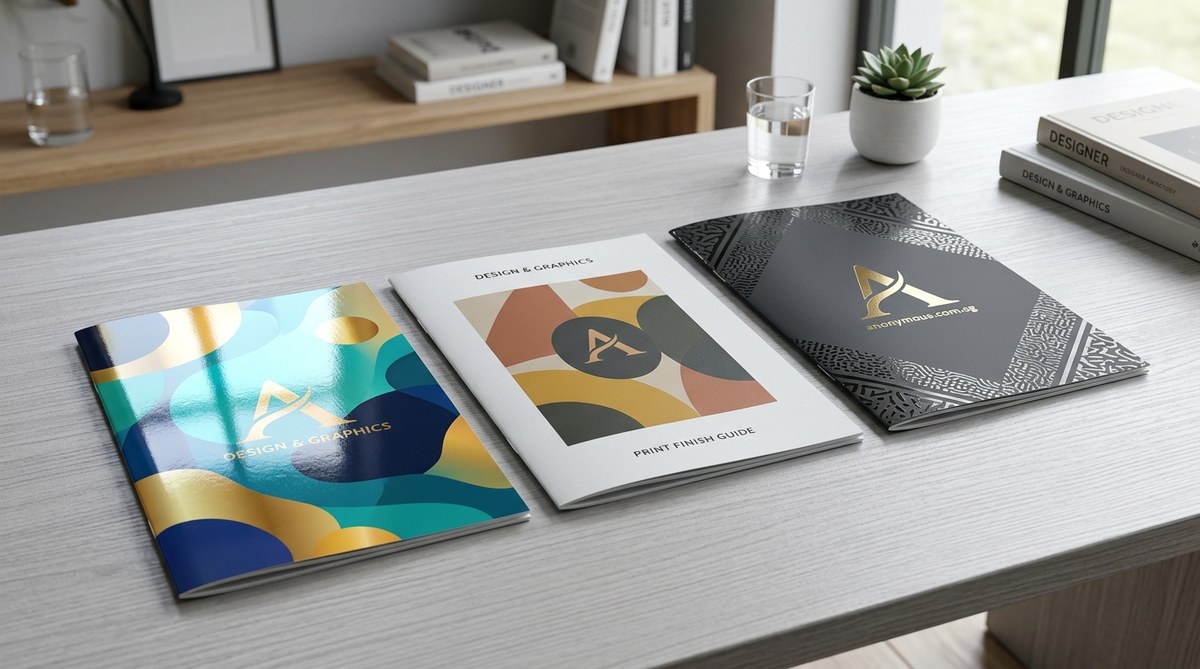
When it comes to print finishes, the surface treatment you choose can dramatically affect how your design is perceived. Whether you’re creating business cards, posters, packaging, or marketing materials, understanding the differences between gloss, matte, and specialty coatings helps you pick the right finish for your goals. The right surface adds character, enhances durability, and influences how your audience engages with your print.
Choosing the right print finish impacts how your design is viewed, felt, and remembered. Gloss finishes add shine and vibrance, matte offers a soft elegance, while specialty coatings provide unique effects. Understanding these options helps you create impactful, durable prints suited for any project.
What are gloss, matte, and specialty coatings in print?
Print finishes are surface treatments applied after printing to enhance appearance, protect the print, and sometimes add special effects. Each finish offers a distinct look and feel, making it essential to match the finish with your project’s purpose.
Gloss finish explained
A gloss finish creates a shiny, reflective surface. It enhances colors, making images pop and details sharper. Gloss coatings are often used on photographs, product packaging, and marketing materials where vibrancy is key.
Benefits of gloss coatings include:
- Bright, eye-catching appearance
- Enhanced color saturation
- Better protection against moisture and scratches
Disadvantages of gloss finishes:
- Shows fingerprints and smudges easily
- Can create glare, making readability difficult under bright lights
- Less forgiving of fingerprints and fingerprints marks, requiring frequent cleaning
Matte finish explained
Matte finishes produce a non-reflective, velvety surface. They lend a softer, more elegant look, ideal for premium stationery, art prints, and brochures where a subdued aesthetic is desired.
Advantages of matte coatings:
- Reduces glare, improving readability
- Conceals fingerprints and smudges
- Adds a sophisticated, muted tone to designs
Drawbacks of matte finishes:
- Colors may appear less vibrant than gloss
- Can be more prone to scuffing or scratching
- Less shiny, which might not suit all brands or projects
Specialty coatings and effects
Specialty coatings introduce unique visual or tactile effects that go beyond standard gloss or matte. These include:
- Soft-touch coatings for a luxurious feel
- Spot UV for highlighting specific areas
- Metallic or foil finishes for a premium look
- Textured coatings like embossing or debossing
These coatings are often used for luxury packaging, invitations, or branding elements that demand a distinctive touch.
When to use gloss, matte, or specialty coatings
Choosing the right finish depends on the message you want your print to convey and how it will be used.
Visual appearance and mood
- Gloss: Use when you want vibrant, energetic visuals. Perfect for product packaging, photos, or promotional posters that need to stand out.
- Matte: Ideal for understated, elegant designs. Suitable for high-end stationery, art prints, or reports where a subdued tone is preferred.
- Specialty coatings: Best for creating impact and showcasing craftsmanship. Use for invitations, luxury packaging, or branding materials that need a memorable tactile experience.
Practical considerations
- Durability: Gloss coatings tend to resist moisture better. Matte finishes are more resistant to fingerprints.
- Readability: Matte finishes reduce glare, making text easier to read in bright environments.
- Cost: Specialty coatings often come with higher costs and longer production times. Gloss and matte are generally more budget-friendly options.
Practical process for selecting the right finish
- Identify the primary purpose of your print.
- Consider the environment where it will be viewed.
- Think about the tactile experience you want to create.
- Match your choice with your budget and timeline.
- Request samples to see how different finishes affect your design.
How to apply print finishes effectively
Applying the correct finish involves understanding the process and common pitfalls. Here are some steps to ensure your print looks its best:
- Choose your finish early in the design process to ensure compatibility.
- Request samples from your printer to compare gloss, matte, and specialty options.
- Test with your actual design to see how colors and details appear.
- Communicate your needs clearly to your print professional, especially if using specialty effects.
- Inspect the final print for consistency, especially when using coatings like spot UV or textured finishes.
Practical process checklist
- Determine the purpose and environment of your print.
- Select a finish that complements your design and usage needs.
- Review samples to assess appearance and feel.
- Confirm with your printer about costs, timelines, and technical requirements.
- Approve proofs before final production.
Common mistakes and how to avoid them
| Technique | Mistake | How to avoid it |
|---|---|---|
| Gloss coating | Overusing gloss on text-heavy designs | Use gloss primarily on images; keep text in matte or uncoated areas for readability |
| Matte coating | Applying too many coatings, leading to a dull or muddy look | Limit matte finishes to specific areas; test to see how colors appear |
| Specialty effects | Not considering the tactile or visual impact | Always review samples and consult your printer about durability and effect longevity |
| Ignoring environmental factors | Using coatings in humid or outdoor settings | Choose coatings designed for durability if exposure to elements is expected |
Expert tip: Always request a printed sample or proof before committing to large runs. Seeing the finish in person helps avoid surprises and ensures your design’s impact is preserved.
Techniques and mistakes to watch out for
- Spot UV can add a glossy highlight to specific areas but can appear uneven if not applied properly.
- Textured coatings like embossing require precise registration; misalignment can ruin the effect.
- Overcoating with specialty coatings may cause smudging or uneven drying.
Finishing your print with confidence
Understanding the nuances between gloss, matte, and specialty coatings empowers you to make smarter choices for your projects. Think about the mood, durability, and usability you want your print to have. By working closely with your printer and reviewing samples, you can select a finish that enhances your design and leaves a lasting impression.
Remember, the surface treatment is not just about looks. It influences how your audience interacts with and perceives your brand. The right finish can elevate a simple print into a memorable experience.
Elevate your print projects with thoughtful finishes
Choosing between gloss, matte, and specialty coatings is more than a surface decision. It’s a strategic move that aligns your print’s appearance with its purpose. Whether you aim for vibrant energy, understated elegance, or premium impact, understanding your options ensures your message is delivered with maximum effect.
Apply these insights to your next project, and let your prints speak volumes through the surface finish that best suits your vision.
