<meta name=”description” content=”Learn how to unify your brand voice and visual identity to tell a compelling, consistent story that resonates with your audience and strengthens your brand.”
Creating a strong brand is more than just a pretty logo or catchy slogans. It’s about weaving together your brand voice and visual identity into a seamless story that connects with your audience. When these elements are aligned, your brand becomes memorable, authentic, and trustworthy. But achieving this harmony requires understanding how each piece plays a role and how to make them work together.
Below, we’ll explore practical ways to ensure your brand voice and visual identity tell the same story. Whether you are a marketing professional, brand manager, or a small business owner, these tips will help you craft a consistent brand experience that sticks.
Aligning your brand voice and visual identity creates a cohesive story that builds trust and recognition. This involves defining your tone, visual style, and ensuring they reflect your core brand values. Practical steps include establishing clear messaging, creating style guidelines, and regularly reviewing your brand assets for consistency.
Understanding the Difference and Connection Between Brand Voice and Visual Identity
First, it’s essential to grasp what each element entails and how they work together. Your brand voice is the personality and tone expressed through words. It’s how you communicate your values, beliefs, and personality to your audience. Think of it as the way your brand speaks.
Your visual identity is the visual language of your brand. It includes your logo, color palette, typography, imagery, and overall style. It’s how your brand looks on websites, packaging, social media, and more.
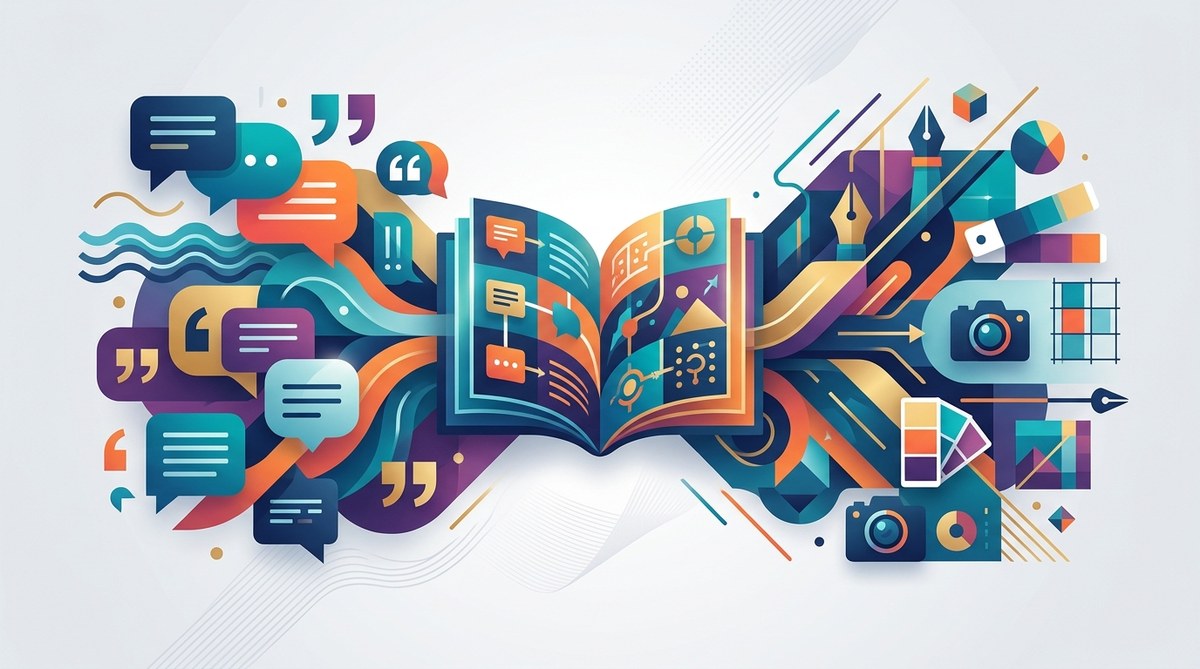
While they are different, both need to tell the same story. Imagine your brand voice as the personality behind your words and visuals. When they align, your audience perceives a genuine, consistent story that builds trust.
Why Brand Voice and Visual Identity Need To Be in Sync
Inconsistent messaging and visuals can confuse your audience. If your tone is playful but your visuals are serious and minimalist, your brand’s story becomes muddled. This inconsistency diminishes brand recognition and weakens emotional connection.
On the other hand, when your voice and visuals speak the same language, they reinforce each other. Your audience immediately understands your brand’s personality, values, and promise. This clarity helps foster loyalty and makes your brand memorable.
“Your brand is what people say about you when you’re not in the room. Ensuring your voice and visual identity are aligned makes that conversation authentic and compelling,” advises branding expert Jane Smith.
Practical Steps to Make Sure Your Brand Voice and Visual Identity Tell the Same Story
Here are three key actions to align your brand elements effectively:
1. Define Your Core Brand Personality and Messaging Pillars
Start by clarifying your brand personality. Ask yourself:
- How do I want my audience to feel when they interact with my brand? (friendly, professional, innovative, caring)
- What values are at the core of my brand? (trust, fun, sustainability, luxury)
Create messaging pillars that reflect these qualities. For example:
- Mission: To provide eco-friendly products that make everyday life better.
- Vision: Becoming the leading sustainable lifestyle brand.
- Tone of Voice Principles:
- Friendly and approachable
- Clear and transparent
- Slightly humorous but respectful
2. Develop a Visual Style Guide that Embodies Your Voice
Translate your personality into visual elements:
- Choose colors that evoke the right emotions (calm blues for trust, vibrant reds for energy)
- Select typography that matches your tone (rounded fonts for friendliness, serif fonts for authority)
- Use imagery and iconography that support your personality (playful illustrations vs. sleek photographs)
Create a style guide that documents these choices. This guide will serve as a reference for anyone designing or creating content for your brand.
3. Integrate Your Voice and Visuals Into Your Content and Touchpoints
Consistency comes from applying your defined voice and visuals across all channels:
- Write social media captions, website copy, and emails that reflect your tone.
- Use your style guide to ensure all visuals follow your color palette, typography, and imagery style.
- Regularly review your content and assets to check for alignment.
4. Establish Processes for Ongoing Alignment
Alignment isn’t a one-time task. Set up routines:
- Conduct quarterly reviews of your branding materials.
- Use feedback from your team and customers to refine your voice and visuals.
- Update your style guide as your brand evolves.
5. Leverage Templates and Tools for Consistency
Using templates for social media posts, email newsletters, and presentations ensures your brand voice and visuals stay aligned. Tools like Canva or Figma make it easy to create and reuse branded templates.
Common Techniques and Mistakes in Aligning Brand Voice and Visual Identity
Understanding what works and what doesn’t can save you time and effort. Here’s a quick comparison:
| Techniques to Use | Common Mistakes to Avoid |
|---|---|
| Creating a detailed style guide | Ignoring the need for a style guide |
| Consistent tone of voice across all content | Using different tones in different channels |
| Harmonizing colors and typography with personality | Mixing styles that clash or send mixed messages |
| Regular brand audits | Forgetting to review and update your branding elements |
| Training your team on brand standards | Allowing inconsistent application of brand elements |
Quick Tips for Maintaining Alignment
- Keep your style guide accessible to everyone involved.
- Use brand archetypes to guide your tone and visuals.
- Collect feedback regularly from your audience.
- Track your brand consistency through simple audits.
- Be willing to adapt as your business grows.
Techniques and Mistakes Clarified
“Consistency is the foundation of brand trust,” emphasizes branding strategist Alex Lee. “When your voice and visuals are aligned, your audience perceives authenticity, which translates into loyalty.”
| Technique | Mistake |
|---|---|
| Using a comprehensive style guide | Overlooking the importance of documentation |
| Applying consistent voice and visuals | Letting team members work in silos |
| Regular brand reviews | Neglecting to adapt to market changes |
Making Your Brand Voice and Visuals Work in Harmony
Achieving harmony requires deliberate effort. Make it part of your routine to review and refine your messaging and visuals. Use your style guide as a living document that evolves with your brand.
Tip: Create templates for key content formats. This ensures consistent application of your voice and visuals without starting from scratch each time.
Final Thoughts on Telling a Cohesive Brand Story
Your brand’s story is told through every word you say and every visual you present. When these elements are aligned, your audience receives a clear, compelling message. It builds trust, fosters recognition, and encourages loyalty.
Review your brand regularly. Ask yourself if your messaging and visuals still reflect your core values and personality. Adjust as needed to stay authentic and consistent.
Remember, a well-aligned brand story isn’t just about appearances. It’s about authenticity and connection. When your voice and visuals work together seamlessly, your brand becomes a story people want to tell.
Start implementing these steps today. Your audience will thank you for it.
