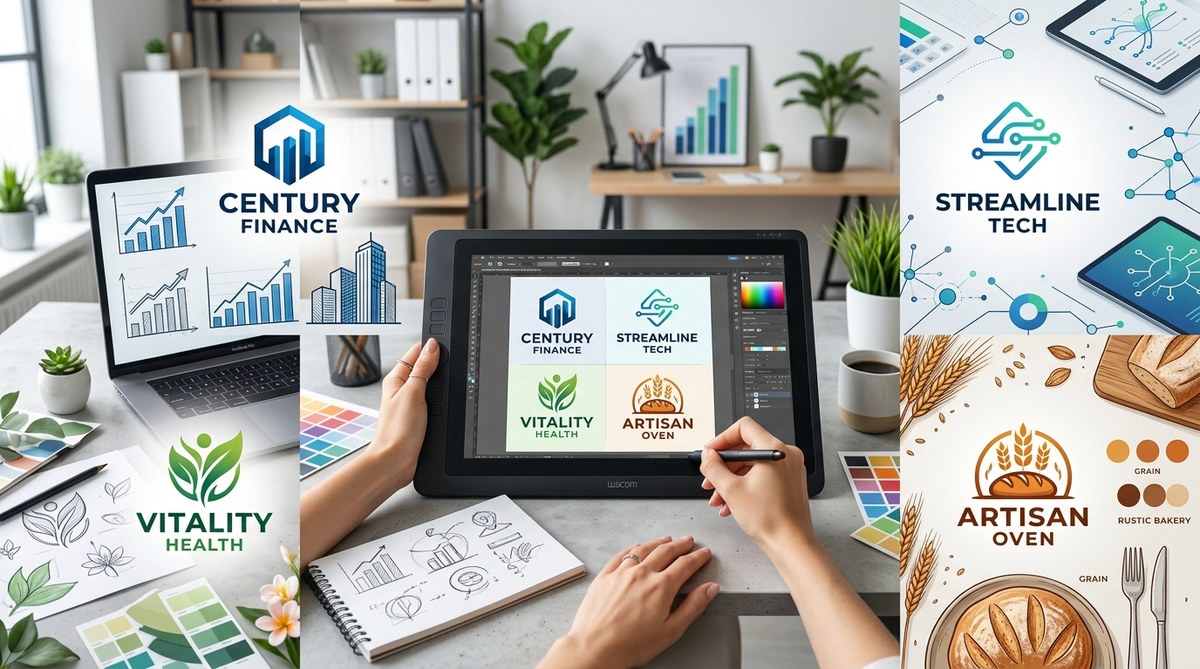
Creating a logo that resonates with your industry is more than just choosing a pretty icon or stylish font. It requires understanding the unique language each sector speaks visually. A logo should do more than look good; it should communicate the right message to your audience, evoke appropriate emotions, and set your brand apart. Whether you’re a designer refining your craft or a business owner seeking to sharpen your branding, knowing industry-specific logo design principles is key to crafting visuals that truly work.
Designing logos for different industries demands understanding sector norms, audience expectations, and [visual language](https://en.wikipedia.org/wiki/Visual_communication). Using tailored color schemes, symbols, and styles helps brands connect deeply and stand out effectively.
Understanding Industry-Specific Logo Needs
Every industry carries its own expectations, cultural cues, and visual language. A logo for a financial firm needs to communicate trust and stability, while a creative agency might aim for originality and boldness. Recognizing these nuances allows you to design logos that resonate and perform.
The importance of visual language in different sectors
Different industries have established visual cues. For instance, tech companies often favor clean, modern lines, while organic food brands lean toward earthy tones and natural symbols. Understanding these cues helps in developing a logo that aligns with the sector’s values and customer expectations.
Audience perception and industry trends
Knowing your target audience is crucial. Younger consumers might respond to playful or trendy logos, whereas corporate clients expect professionalism. Keeping an eye on industry trends can also help your logos stay relevant without sacrificing timelessness.
Practical Steps for Industry-Specific Logo Design
To craft logos that work effectively for different industries, follow this structured approach:
- Research Sector Norms and Competitors
- Identify Key Symbols and Color Palettes
- Develop Concepts that Align with Industry Values
- Test and Refine for Audience Impact
- Ensure Versatility and Scalability
Let’s unpack each step with clarity.
1. Research sector standards and competitors
Begin by analyzing successful logos within the industry. Notice common themes, color schemes, and symbols. For example, banking logos often incorporate shields or columns, while healthcare logos tend to use crosses or hearts. This research guides you to avoid clichés or to stand out when appropriate.
2. Identify symbols and color schemes
Select symbols that evoke industry-specific qualities. For a legal firm, scales or gavels convey justice. For a fitness brand, dynamic shapes or active figures suggest movement. Color choices matter too; blue signifies trust, green suggests health or eco-friendliness, red indicates energy or urgency.
3. Develop tailored concepts
Combine your research into initial sketches. Focus on simplicity and relevance. For a tech startup, sleek geometric forms may work well. For a children’s toy company, playful fonts and bright colors will resonate. Remember, the goal is to communicate your core message visually.
4. Test your designs
Gather feedback from industry insiders or target customers. Check if the logo communicates the intended message and aligns with audience expectations. Use mockups in real-world scenarios to see how it performs at different sizes and on various backgrounds.
5. Refine and standardize
Make adjustments based on feedback. Ensure your logo works across digital and print formats. Create a style guide that details color codes, font choices, and usage rules, especially important for maintaining consistency in sector-specific branding.
Common Techniques and Pitfalls in Industry Logo Design
Understanding effective techniques and common mistakes can make your logo stand out for the right reasons.
| Technique | Mistake to Avoid |
|---|---|
| Using industry-relevant symbols | Overusing clichés or generic icons |
| Color schemes aligned with sector norms | Ignoring cultural color sensitivities |
| Simple, memorable shapes | Overcomplicating the design |
| Consistent typography style | Choosing fonts that clash with industry tone |
| Versatile logo formats | Ignoring scalability and adaptability |
“A logo should be a visual handshake—firm, genuine, and sector-appropriate. Avoid the temptation to be overly trendy and focus on timeless relevance.” – Design expert
Tips for different sectors
- Finance and banking: Stick to blue, gray, or green. Use strong, stable shapes like shields or columns.
- Healthcare: Soft greens, blues, or reds. Symbols like crosses, hearts, or leaves work well.
- Technology: Sleek lines, geometric shapes, and cool tones. Minimalism often dominates here.
- Fashion: Elegant fonts, monochrome palettes, and icons that suggest style and sophistication.
- Food and beverage: Warm colors like red, orange, or yellow. Use icons like utensils, leaves, or ingredients.
Final Touches for Industry-Effective Logos
Beyond the initial design, consider these factors:
- Scalability: The logo should look good in small icons as well as large banners.
- Timelessness: Avoid overly trendy elements that may date quickly.
- Uniqueness: Ensure your design stands out from competitors.
- Consistency: Develop a style guide to keep branding uniform across platforms.
Wrapping Up Your Industry-Specific Logo Journey
Designing logos for different industries hinges on understanding sector language and audience expectations. By researching, choosing relevant symbols and colors, and testing your concepts, you can craft visuals that truly work. Remember that a logo is a vital part of your brand’s story. It should be simple, meaningful, and adaptable.
Apply these insights to your current projects or client work. Think about what your target industry values, and let that guide your creative process. With practice, you’ll develop a keen eye for what makes a logo resonate within each sector, making your branding efforts more impactful and memorable.
